![]() Streetwise In Vermont
|
|
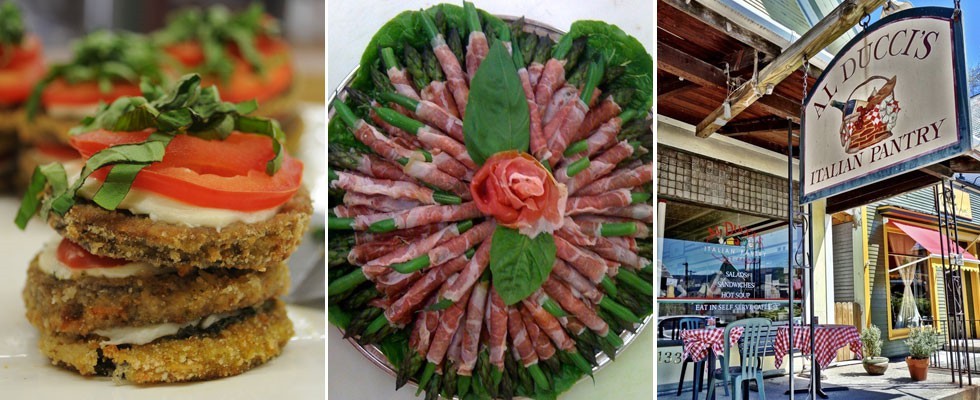
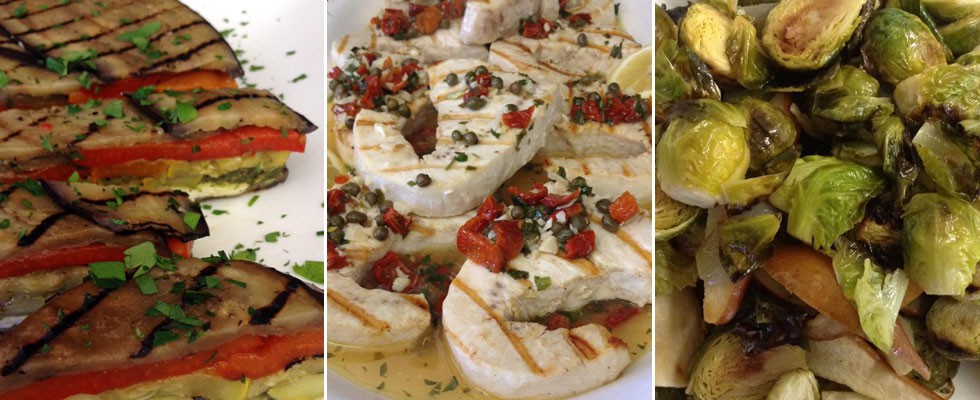
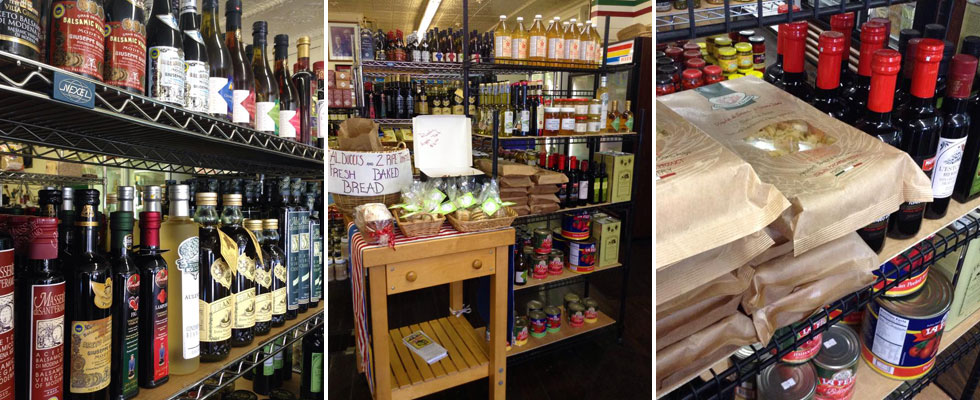
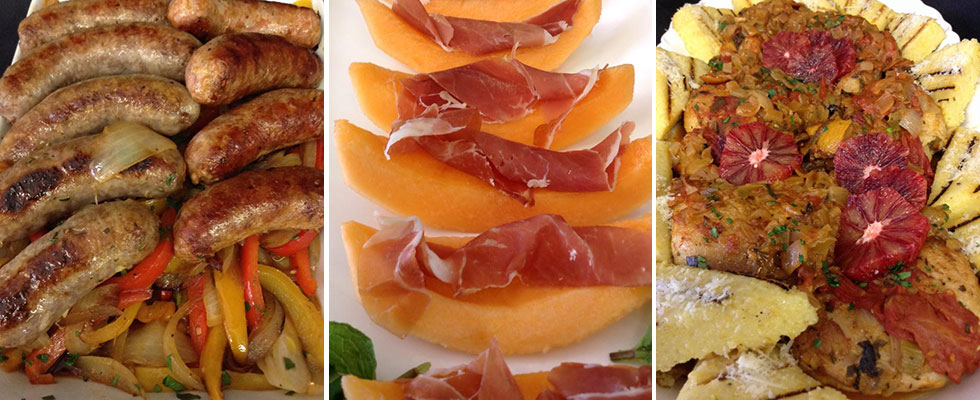
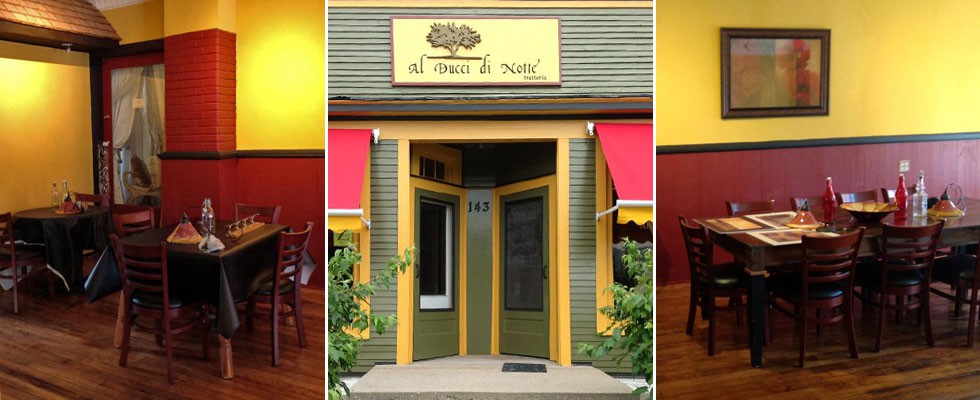
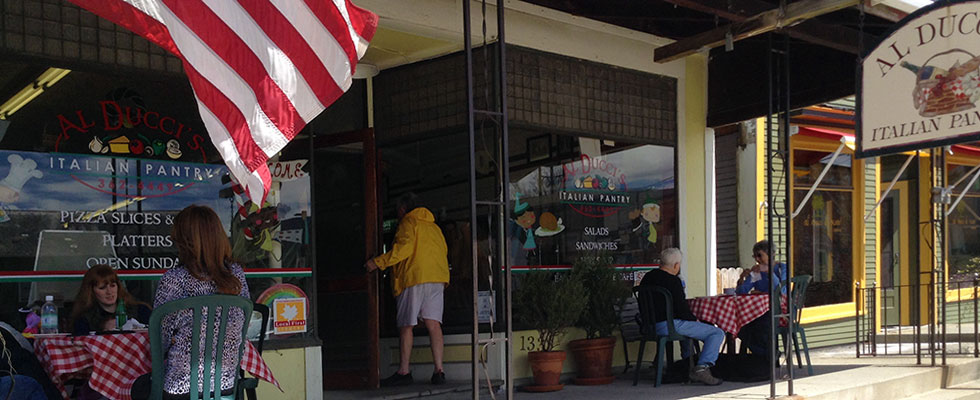
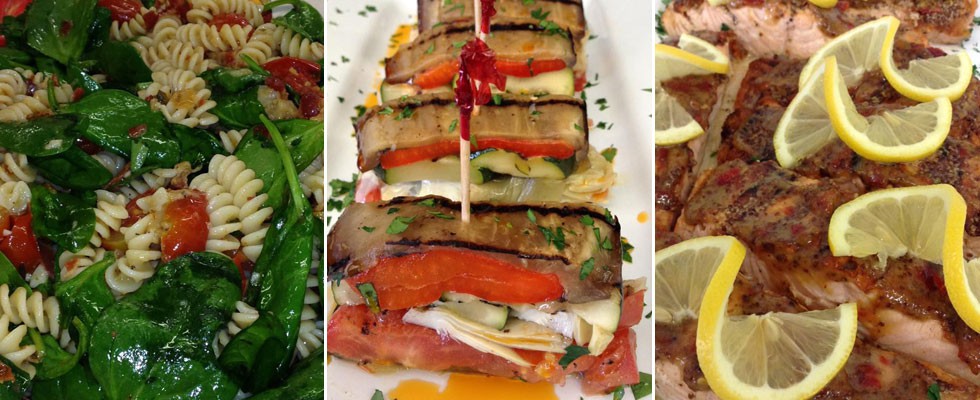
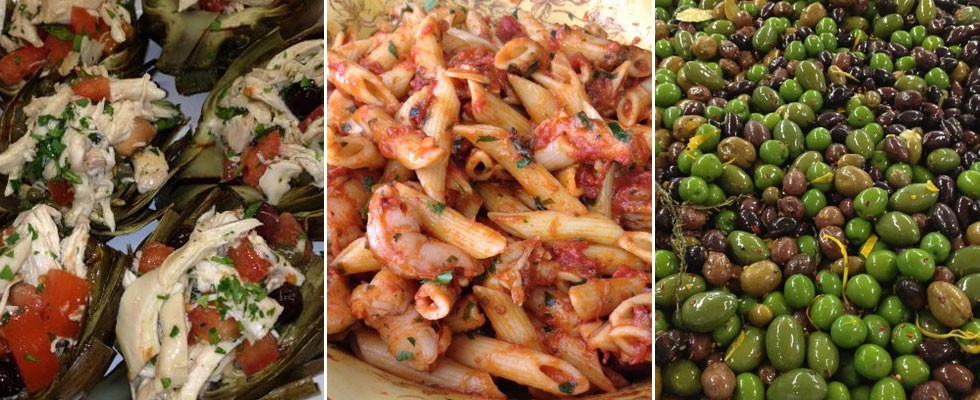
Author: By Sheryl Julian, Globe Staff MANCHESTER, VT - Al Scheps came here 13 years ago from Fair Lawn in North Jersey. He had worked in his Italian father's mozzarella and ricotta factory there for years, and he arrived in town looking around for a business. He opened a food shop in this southwest corner of Vermont, and called it Al Ducci, a play on Il Duce ("the Duke"). Nancy Diaferio, from Corona, in Queens, N. Y. - with an accent to match - was living a few miles away in New York State and wandered into Al Ducci's looking for a job. She had years of cooking experience and had once owned a food shop in Mount Kisco, N. Y. with her mother and sister. He was married and she was married. But not to each other. As Diaferio tells the story, one day she "leaned into the cheese case," and when she straightened up, she noticed Scheps staring at her.He is more discreet: "Nancy came here to work in '92," he says. "About a year later, we found each other. Unfortunately, neither of us was single at the time." They are a likely match, not so much in style - "we're good cop, bad cop," he says, because she'll say anything to the customers and he spends a lot of time unruffling feathers - but in work ethic. Scheps, 61, and Diaferio, 41, are perfectionists. Sixteen-hour days mean nothing to either one. She roasts peppers individually on the gas burners because she wants that charred taste. He is up at 4 a.m. six days a week to make fresh bread. The rare times that he has a fever or flu and isn't up to doing it, he comes in anyway. "Then I go back to bed," he says. Luckily, they practically live over the shop. And in that way, Al Ducci is the sort of old-fashioned delicatessen found in urban areas a century ago. Housed in a former food market, it has a tile ceiling and a 100-year-old, creaky, uneven wooden floor. The proprietors themselves are certainly part of the reason the locals frequent Al Ducci. It's more than an Italian delicatessen with the finest prepared foods in the area. It's a hangout for the townspeople, the spot where news flows, and the place where natives go to say hello to one another and to the shopkeepers. Scheps and Diaferio are Manchester's local color. Everyone knows them, and they know almost everyone: "This store could be a sitcom, a movie, or something," says Diaferio. Manchester was established in 1761, a clean, pristine town that is breathtakingly beautiful all year, but especially during foliage season, when it attracts Bostonians and New Yorkers alike. If a film crew needed a townful of white houses to illustrate what New England looked like, they could come here. Many sidewalks are fashioned of marble from the local quarries. The posh Equinox Inn and its lush golf course are at one end of town, dozens of top-quality outlets line the main road, and the places attract the kind of tourists who have money to spend. Al Ducci is a few blocks from the shopping activity in town, just far enough away so that you wouldn't go there unless you knew about it. The delicatessen does a brisk lunch business, serving sandwiches like Diaferio's popular grilled vegetables made with Scheps's mozzarella - which he makes on the premises with New York State milk - and bread. Bostonians who own country houses in the area have to call ahead to have cheese and bread set aside for them. By early afternoon on a Friday or Saturday, the cases are emptying quickly. Besides plump red peppers, overlapped carefully and drizzled with olive oil, Diaferio makes caponata with minuscule diced eggplant, green and yellow squash, onions, and celery roasted with capers, olives, balsamic vinegar, and tomato paste. It's an intensely sweet and salty relish. Scheps makes chewy multi-grain bread, focaccia, Italian white bread, ciabetta made with a sourdough starter), and a semolina bread he can't keep on the shelf. The odd days any loaves are left over, they become semolina crisps, which he then hides for the regulars. He grinds lean pork with fennel, cheese, and parsley for hot and sweet sausages. Chicken salad begins with Bell & Evans birds and contains only tomatoes, olives, capers, basil, garlic, olive oil, and parsley. "No vinegar," Diaferio says, "because it breaks down the food. If you can handle the garlic, it's dynamite." When she pulls the meat off the chicken bones, she only uses the big, moist chunks. "You know the meat that you bite into and get cartilage?" she asks. She won't use it. Instead, she wraps it up and sends it home with the customers who own her favorite dogs. They also offer his mother's rice pudding, made with risotto rice, whole milk, and heavy cream. Her precision comes with an edge. She describes herself as "a neurotic neat freak. But you have to have one of those in this business." Diaferio is also tough on her staff. "I like to see the tomatoes diced in a uniform way, because it adds to the look," she says. "And I don't like someone to go in and take a scoop of salad. I like them to stir it first." She has a long list of these particulars. The couple works with two helpers, though they'd like more. Trained cooks who are interested in living in Vermont don't want to work in a delicatessen, she says. "When we run out, we run out." As for the customers, well, they'd better wait their turn and have some respect for the place. She tells a story about watching a teenager head for the cold drinks. "He's got those big pants, and he's wearing a seat belt to hold them up," she says. He opened the door to the refrigerator case and while holding it open, surveyed the array. "Hey, dude!" she yelled out from a spot behind the counter where she sees and hears everything. "You know why they put glass doors on refrigerators?" And without waiting for an answer, she barked: "So you can see in!" The kid inched back and let the door swing shut. Scheps says that some customers don't understand her. The region where she was raised in Queens, he says, "is known as Spaghetti Park." All the guys who went there were Italians who wore sleeveless undershirts. "You learn how to be tough on those streets." She says that keeping the cases in the shop filled is such hard work, that if she lets out a shriek, it's because something went wrong. "There's so much labor in everything we do. People on the other side of the counter don't understand that if I burned the frigging eggplant for a dish I was working on, I'm upset." It's quick and then it's over, she says. "I don't like things festering." Diaferio, in fact, is warm and thoughtful. One particularly frantic Saturday during which the cases were almost cleaned out, two couples wandered in looking for lunch. One lone baguette sat on the shelf. "I had nothing," says Diaferio. She explained this to the customers and filled the bread with salami and whatever scraps of vegetable and relish she could find and cut the sandwich into fourths. "I made them happy," she says, and it's apparent that was important. Sometimes she's funny even when she doesn't mean to be. Some of it has to do with her Queens accent. When she tells a visitor where she lives, she describes her house as "the purple house next to the antique shop." The word "purple" comes out as "poiy-pool." "She always makes me laugh," says Scheps, who is mild-mannered and less Diaferio learned to cook from her grandmother. She had two: Skinny Nanny, who was her Apulian mother's mother, and Fat Nanny, her Apulian father's mother. "Skinny Nanny was a terrible cook. Fat Nanny made lentil soup, frittata, and pepper and egg sandwiches to take to school." The olive oil dripped onto the bread so the sandwich was a mess by the time Diaferio ate lunch. "The kids made fun of me." Except for the oil-soaked sandwiches, this immigrant cooking is what Dieferio and Scheps offer, with modest concessions to modern tastes. Both claim their stamina comes from their families as well. The only way they've distanced themselves from their heritage is by moving so far away from the places where they were raised. Once a year, they return to New York, he says, "to ride the subway and go to the museums. And see why we're in Vermont." Al Ducci is at located 133 Elm St., Manchester. Phone 802-362-4449. Al Ducci's Caponata
Set the oven at 400 degrees. Cut the eggplant, zucchini, squash, celery, onions, and yellow and red peppers into 1/2-inch dice. Spread the vegetables in two roasting pans. Sprinkle with salt, pepper, oil, and garlic. Roast the vegetables for 45 minutes to 1 hour, turning often, or until they are tender. In a bowl, combine the olives, capers, oregano, tomato paste, and vinegar. Add some of the olive mixture to each pan and toss well. Continue roasting for 40 minutes or until the vegetables are tender and well-flavored. Serve at room temperature with crackers or crusty bread or spread onto a sandwich as a relish with turkey or mozzarella. Serves 12 Fat Nanny's frittata
In an 8-inch nonstick skillet, heat enough oil to make a thin film on the bottom. Pour in the egg mixture and swirl the pan until the mixture is set on the bottom. When it is set, remove the pan from the heat. Invert a plate onto the top of the skillet; carefully turn the skillet upside-down so the frittata slides out of the pan. Slide the frittata back into the pan. Cook the frittata for 2 minutes. Cut into wedges and serve at once. Serves 4. Al Scheps's mother's rice pudding
In a large pan of boiling, salted water, cook the rice, stirring often, for 12 to 15 minutes or until it is just tender. Drain it into a colander. In a large saucepan, combine the milk, sugar, and vanilla bean. Add the cooked rice. Bring to a boil, lower the heat, and simmer the rice, stirring often, for 1 hour or until the rice has absorbed almost all the liquid. Remove the pan from the heat and stir in the heavy cream. Remove the vanilla bean. Let the rice cool, then press a piece of plastic wrap directly onto the surface of the rice until serving. Serves 8. |
![]() |
Info@AlDuccis.com © Al Ducci's Italian Pantry All Rights Reserved |
![]() |